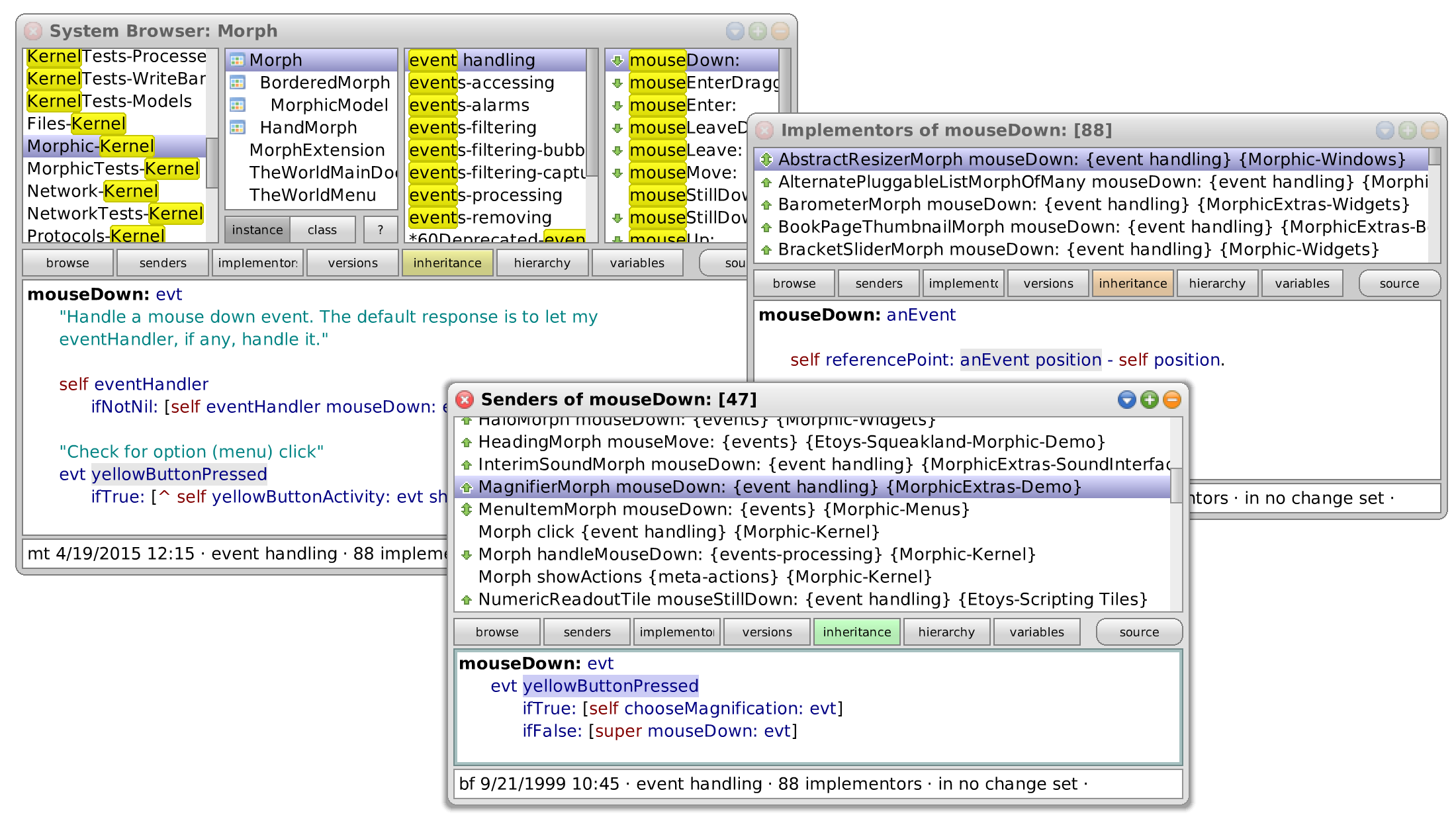
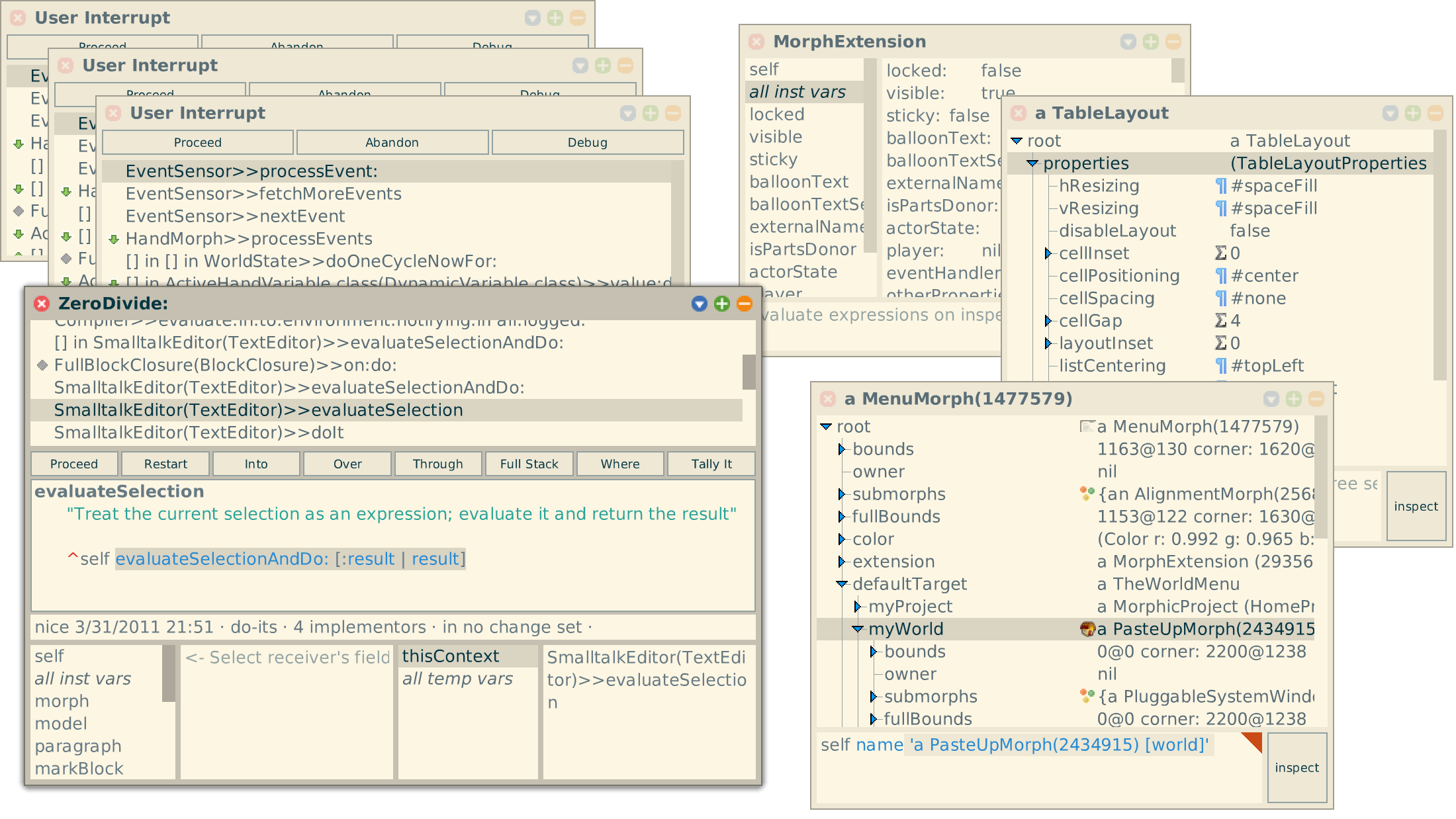
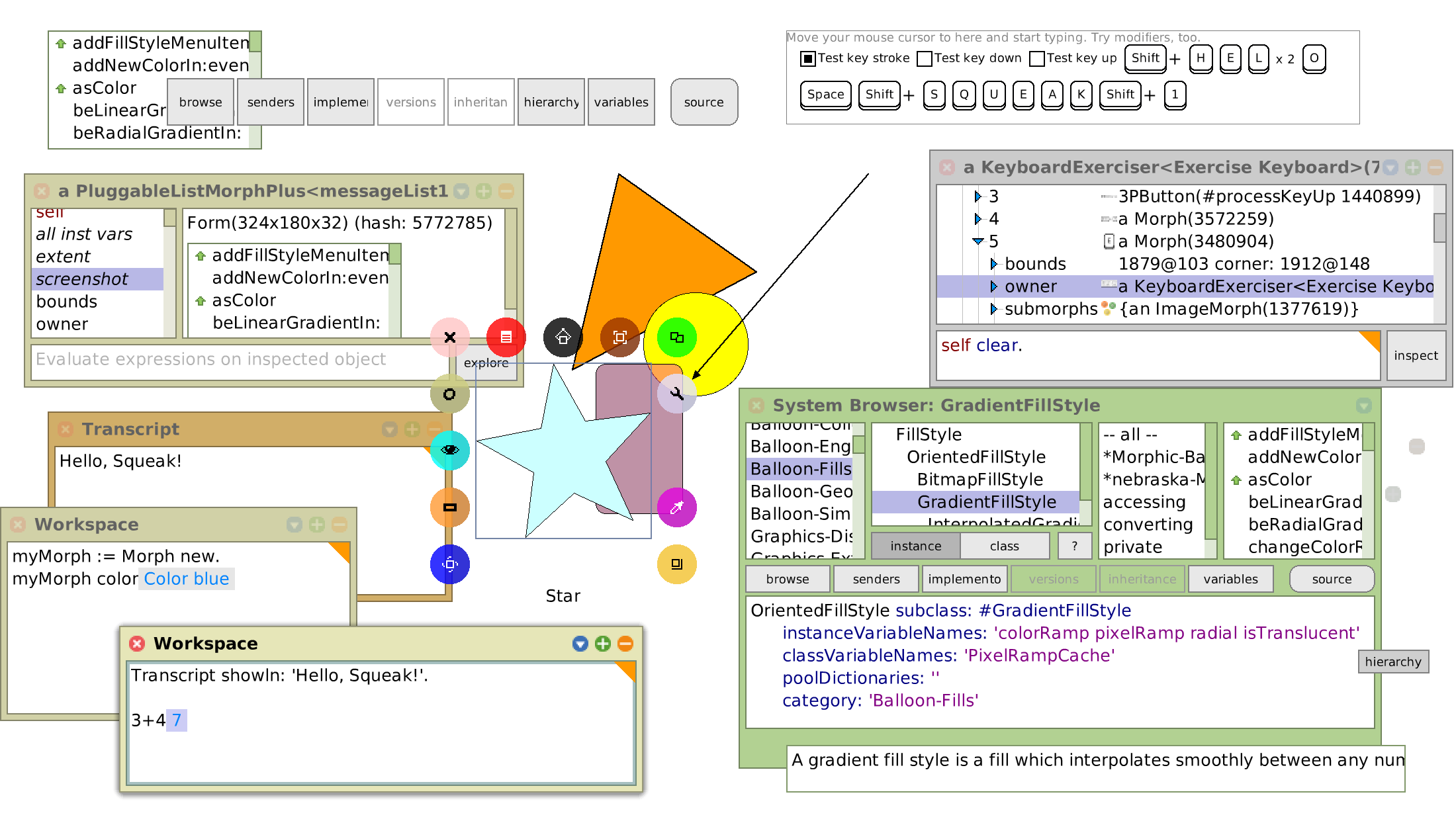
The Squeak community maintains several mailing lists such as for beginners, general development, and virtual machines. You can explore them all to get started and contribute.
The Squeak Oversight Board coordinates the community’s open-source development of its versatile Smalltalk environment.
The Squeak Wiki collects useful information about the language, its tools, and several projects. It’s a wiki, so you can participate!
The Weekly Squeak is a blog that reports on news and other events in the Squeak and Smalltalk universe.
The Squeak Development Process supports the improvement of Squeak—the core of the system and its supporting libraries—by its community. The process builds on few basic ideas: the use of Monticello as the primary source code management system, free access for the developers to the main repositories, and an incremental update process for both developers and users. (Read More)
If you identify an issue in Squeak, please file a bug report here. Squeak core developers regularly check the bug repository and will try to address all problem as quickly as possible. If you have troubles posting there, you can always post the issue on our development list.
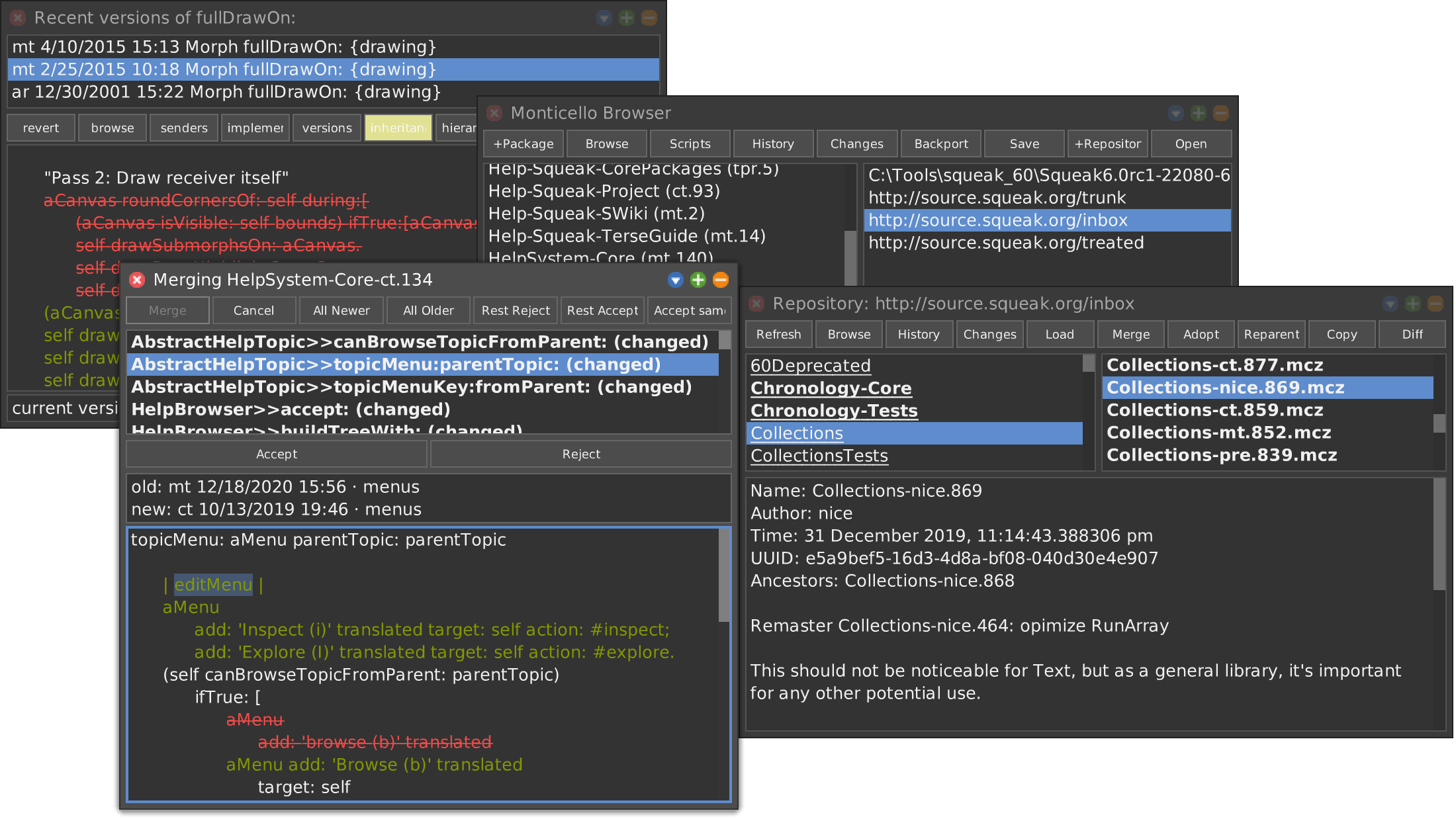
A Monticello code repository for Squeak. Many of our community’s projects are hosted here. Others you may find at SqueakMap or the now retired SqueakSource1.
Using the Git Browser, you can commit and browse your code and changes in Git and work on projects hosted on platforms like GitHub. With Monticello you can read and write FileTree and Tonel formatted repositories in any file-based version control system.
Christoph Thiede and Patrick Rein. 2023. Based on previous versions by Andrew Black, Stéphane Ducasse, Oscar Nierstrasz, Damien Pollet, Damien Cassou, Marcus Denker.
Christoph Thiede and Patrick Rein. 2022. Based on previous versions by Andrew Black, Stéphane Ducasse, Oscar Nierstrasz, Damien Pollet, Damien Cassou, Marcus Denker.
Andrew Black, Stéphane Ducasse, Oscar Nierstrasz, Damien Pollet, Damien Cassou, and Marcus Denker. Square Bracket Associates, 2007.
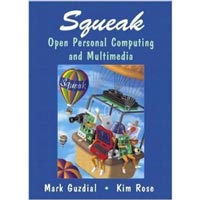
Mark Guzdial and Kim Rose. Prentice Hall, 2002.
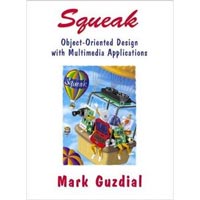
Mark Guzdial. Prentice Hall, 2001.
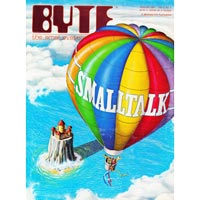
Smalltalk special issue, August 1981.
Downloads come as *.zip, *.tar.gz, or *.dmg archives. On macOS, you must drag the included *.app file out of your ~/Downloads folder to avoid translocation; mv will not work. On Windows, you must confirm a SmartScreen warning since executables are not yet code-signed.
| Version | Support | Link | |
|---|---|---|---|
| macOS (unified) | 6.0 | ||
| Windows (x64) | 6.0 | ||
| Linux (x64) | 6.0 | ||
| Linux (ARMv8) | 6.0 | ||
| All-in-One (64-bit) | 6.0 | ||
| 32-bit Bundles | 6.0 | ||
| Try in browser (slow) | 6.0 |
❤️ Please help us keep our infrastructure up and running, which includes this website, our mailing lists, and code repositories. Donate here… ❤️
You can always take a look at the progress in the latest alpha version (aka. Trunk). Feel free to contribute to the next Squeak release with commits to the inbox. Alpha versions are not expected to be stable. All bundles (i.e., image + sources + vm) whose filename contains a YYYYMMDDhhmm token include the last stable VM. Some Trunk features might benefit from the latest VM (aka. nightly build), which can be downloaded from the OpenSmalltalk-VM repository on GitHub.
| Link | |
|---|---|
| Trunk Image (and Bundles) | |
| OpenSmalltalk VMs (latest, fast) | |
| OpenSmalltalk VMs (latest, debug) |
I can help narrow down the exact narrative details you need. Share public link
While traditional Manipuri storytelling ( Phunga Wari ) focused on folklore, ancient kings, and moral allegories, modern Eteima stories are grounded in raw, everyday realism mixed with heightened melodrama. The narratives typically revolve around several recurring themes: 1. The Trials of the "Mou Anoubi" (The New Bride)
"Eteima Toubagi Wari" is characterized by its unique blend of movements, which include rapid-fire footwork, fluid body isolations, and expressive hand gestures. The dance is typically performed in a group setting, with participants forming a circle or line. The dancers' movements are synchronized, creating a mesmerizing spectacle that showcases their skill and coordination. eteima toubagi wari
The origins of "Eteima Toubagi Wari" date back to the early days of Kiribati's settlement, when dance was used as a means of communication, storytelling, and spiritual expression. The dance is deeply rooted in the country's history, mythology, and cultural practices. "Eteima Toubagi Wari" is often performed during special occasions, such as weddings, festivals, and ceremonies, serving as a bridge between the past and present.
In Manipuri culture, "Eteima" is the term used by a younger brother or sister to address their elder brother’s wife. Because the sister-in-law often plays a central role in the household—balancing the needs of her husband, parents-in-law, and younger siblings-in-law—she is a rich subject for storytelling. "Toubagi wari" roughly translates to stories about her actions, character, or the specific situations she finds herself in. Popular Themes and Archetypes I can help narrow down the exact narrative details you need
is a grammatical modifier in Meitei that often denotes "of the story" or "relating to a story" . In the context of folktales, it connects the actor (Eteima) to the narrative.
: Explain how the story reflects traditional Meitei values and the evolution of oral storytelling. Conclusion The Trials of the "Mou Anoubi" (The New
A simple moment at the dinner table or a shared conversation about daily chores becomes a vessel for deeper emotions.
Family bonds are tested when unexpected emotions come into play. Is it love, duty, or a mistake that can never be undone? 🥀
Historically, Manipur boasts a rich heritage of Phunga Wari (traditional grandmothers' fireside folktales). However, the internet age has shifted reader preferences toward contemporary, adult, or hyper-realistic family dramas.
An implementation of Babelsberg allowing constraint-based programming in Smalltalk.
[Quick Install]A collaborative, live-programming, audio-visual, 3D environment that allows for the development of interactive worlds.
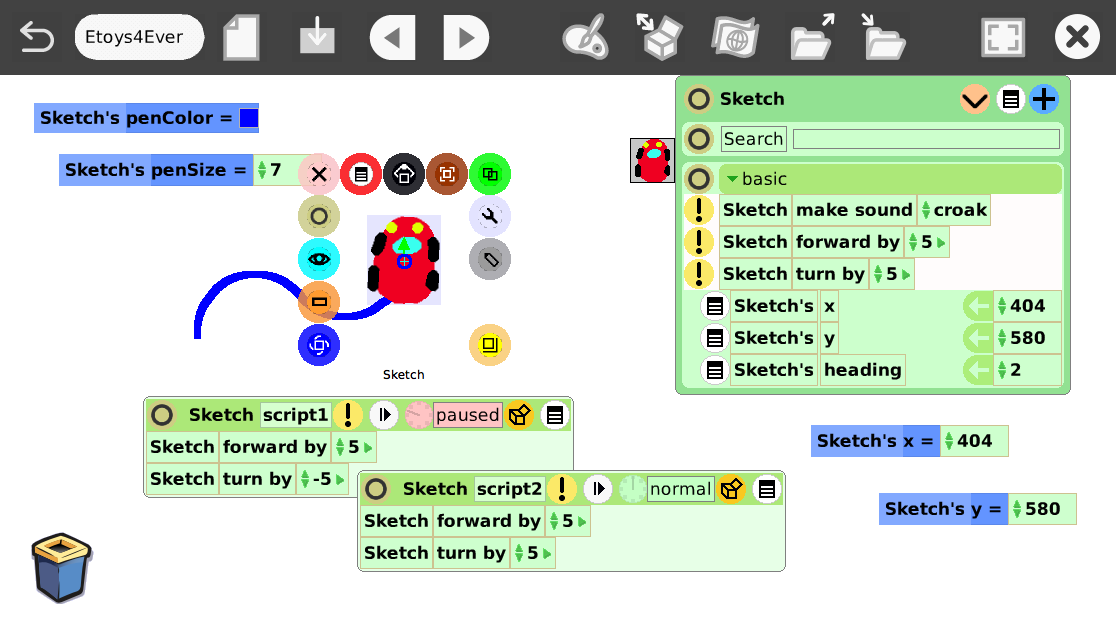
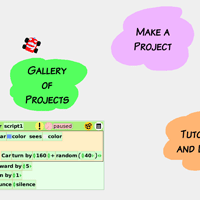
A media-rich authoring environment with a simple, powerful scripted object model for many kinds of objects created by end-users that runs on many platforms.
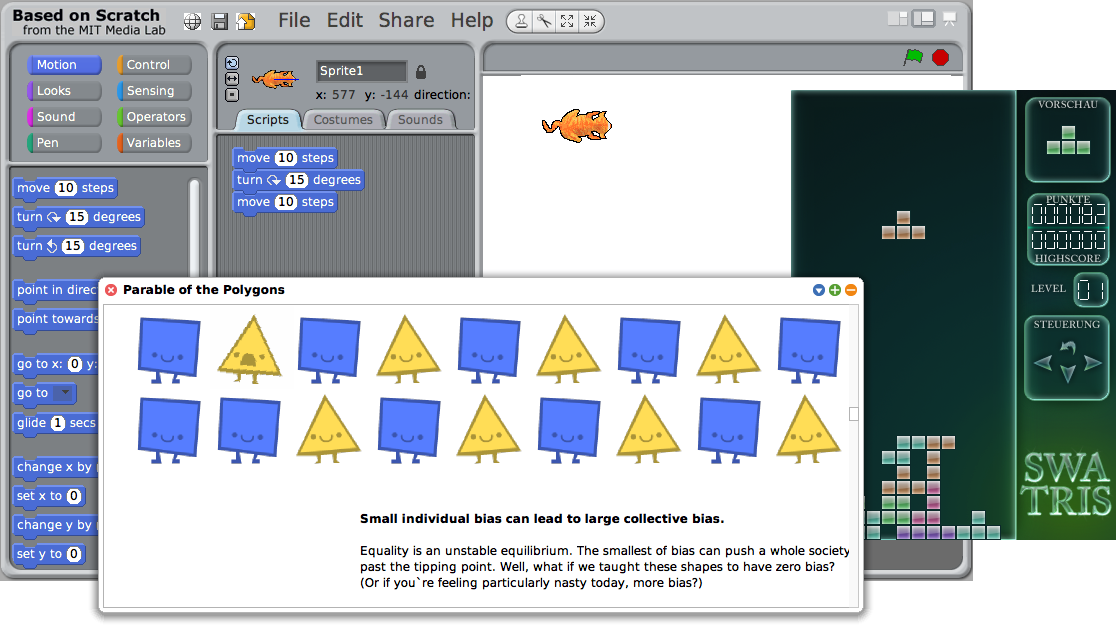
Scratch lets you build programs like you build Lego(tm) - stacking blocks together. It helps you learn to think in a creative fashion, understand logic, and build fun projects. Scratch is pre-installed in the current Raspbian image for the Raspberry Pi.